


It can be challenging to pin down what is driving Donald Trump a month into the US and Israel's campaign of military action on Iran.
However, it remains apparent he has an eye on the global crude markets.
A word – or social media post – from the American leader about his plans once would ignite big swings in prices, as traders seized upon signs the hostilities could intensify or conclude.
However, in the past few days, traders are showing signs of becoming increasingly wary about the significance of his remarks.
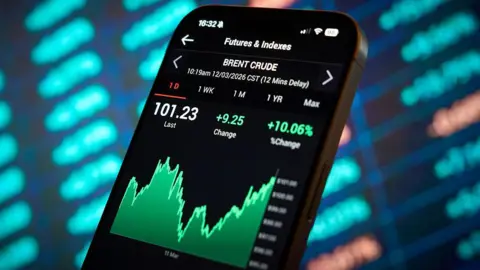
The price of oil was trading at around $72 a barrel prior to 28 February, when the strikes on Iran began.
The week prior, it climbed to $118 a barrel on 19 March and as of Friday afternoon was valued at just below $112 – significantly higher than its pre-conflict price.
Below are key instances from the recent weeks where Trump and the markets appear to have influenced each other – with mixed results.
Navigate with the navigation button to proceed to the next slide.
"Energy prices have become a proxy for wider political and financial risks, jumping when Trump's rhetoric becomes hawkish and declining when his rhetoric de-escalates," notes one investment manager.
He states that financial markets are rightfully reactive to those cues, given the big macroeconomic threats that accompany rising oil prices.
"Market participants are trying to assess genuine risk," he says. "The markets can look nervous or confused, but what they're actually attempting is managing geopolitical risk in the moment, with oil sitting right at the heart of that."
However, it can be difficult for investors to figure out how to trade, particularly because a portion of Trump's statements seem designed to influencing oil prices, as opposed to conveying policy, says another investment advisor.
"As the saying goes, the initial victim of conflict is truth," he says. "I suspect some of the rhetoric trading of statements around diplomatic progress, and the opposite, very much are focused on just shifting the price of oil."
Market Reactions Become Increasingly Subdued
On a recent Thursday, minutes after US equity markets experienced their biggest drop since the beginning of the Iran war, Trump said discussions with Iran were going "very well" and he was postponing military strikes on Iran's energy infrastructure until at least 6 April.
But, the price of crude proceeded to rise.
One market analyst explains that market reactions are "growing increasingly subdued" because of the "significant disconnect" between Trump's optimistic statements and the lack of confirmation from Tehran.
"Considering the appearances, many market watchers cannot envision an early resolution to the hostilities and markets continue to be nervous."
Another market expert comments investors have also become accustomed to Trump "often shifting position at hints of political, equity market or economic trouble".
"We are seeing a level of wariness, or even outright cynicism, creeping in at the fringes," he concludes.


